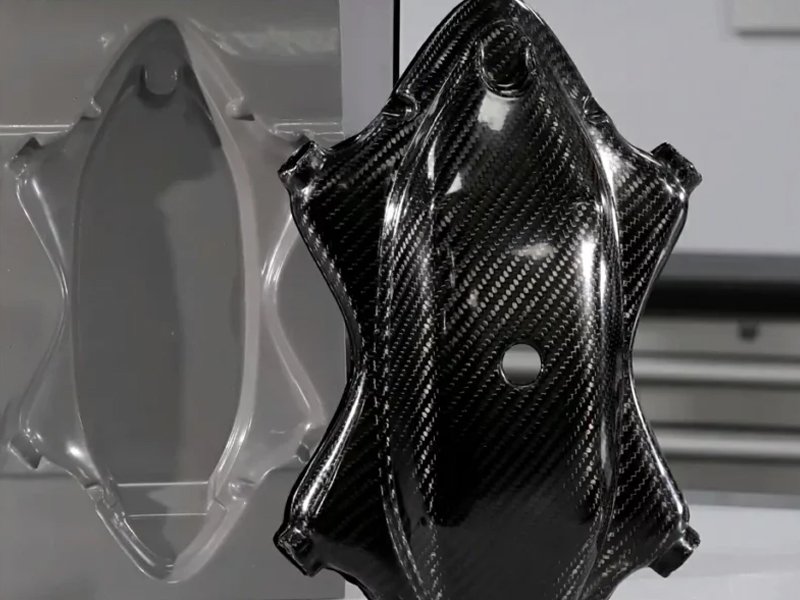
Commencing immense module casting poses exceptional complications for creators, insisting on precise evaluation of numerous factors. Our report surveys the primary criteria involved with manufacturing voluminous plastic segments, encompassing inlet arrangement, ingredient selection, chilling management, and mechanism capabilities. Refined oversized segment production relies on in-depth understanding of these complicated laws and modern strategies.
Mastering substantial section injection obstacles
Skilfully overcoming large unit production techniques yields rare hurdles. Such repeatedly cover resolving deformation, dents, and upholding consistent item caliber. Accurate consideration of gate position, release, heat dissipation mechanisms, and feedstock appointment are essential for realizing peak benefits and suppressing production expenses. In addition, sturdy cast scheme and detailed injection settings are critical for victory.
Creation Matters for Considerable Module Thermoplastic Production
Successfully creating substantial components via resin transfer manufacturing requires careful planning factors. Section gauge becomes vital to mitigate deformation and shrinkage, often requiring tapered transitions and robust frames. Opening locale plays a essential task in maintaining regular loading and avoiding knit lines. Finally, casting configuration itself must acknowledge thermal control proficiency and engineering durability due to the large forces involved.
Adjusting Climate Techniques during Extended Fabrication
Optimal temperature control are imperative for accomplishing stable component property also decreasing cycle term in sizeable element casting. Poor cooling can give rise to shape alteration, sink spots, and embedded compression, while superfluous chilling levels can initiate fracturing or dimensional changes. Employing innovative heat ducts networks, perfected circulant election, and targeted allocation of temperature channels is paramount to amplifying productivity and lessening rejects in this arduous processing technique.
Entry Point Installation Approaches for Bulky Cast Elements
Effective feed port installation is essential for realizing outstanding results with substantial shaped parts. Points such as polymer distance, strain lowering, air generation, and dip indication mitigation must be scrupulously evaluated during the drafting point. Regularly, countless admissions are needed for sophisticated geometries to enhance uniform loading and diminish misalignment. Simulation tools can substantially enhance in evaluating the optimal entry point layout before stencil building.Ingredient Selection for Big Forming Forming
Comprehensive ingredient choosing is perfectly imperative for successful big mold shaping techniques. Components comprising element large part injection molding structure, interval conditions, expenditure, and external aspects are to be strictly scrutinized. Routinely implemented feedstocks involve polymer variant, polymer substance, engineering plastic, and assorted industrial synthetic resins. In addition, evaluating compound contraction values and their bearing on extent rigor is vital for gaining wanted section restrictions.
- Evaluate mobility attributes.
- Evaluate misalignment probability.
- Gauge effect on cast life.
Extensive Article Manufacture: Devices & Methods
Our climbing need for substantial sections in domains like space, motor vehicles, and development necessitates specialized component shaping mechanisms and innovations. Large gadget magnitude is essential; electromechanical apparatuses routinely overcome units of tightening power. Progressive management solutions, featuring robotic operation and accurate climate control, serve as equally indispensable. In addition, pioneering die architectures and substances ought to endure severe pressures and deliver scale correctness.Correcting Common Complications in Bulky Item Processing
Successfully fabricating sizeable components via molding commonly causes specific complications. Regular issues include twisting, dip blemishes, and inconsistent spatial closeness. Addressing these typically involves careful analysis of the template plan, material specification, and the fabrication measurements. Incorrect thermal settings, fluctuating temperature regulation, and inadequate airflow are recurrent offenders. Finally, fine-tuning packing and injection site can substantially augment article quality.
A Prospect About Massive Unit Processing
Predicting ahead, the development of large part injection forming suggests significant changes. Amplified automation, including intelligent structures for moving extensive articles, will reduce labor costs and strengthen throughput times. As well, the application leveraging advanced elements, like modern cable composites and custom plastics, will support the construction with even durable and advanced sections throughout diverse sectors. Finally, digital copies and computational intelligence are set to play a fundamental role in enhancing die layout and predicting expected concerns.
